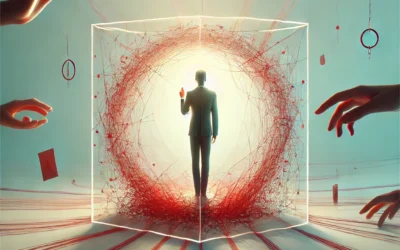
If you have experienced narcissistic behaviour from someone in your life, then you have probably experienced narcissistic injury without knowing it had a name. A narcissistic injury is basically when a narcissistic person’s ego gets punctured — when something happens...
Many people only recognise narcissistic abuse once the damage has already been done. This section is designed to help you spot the warning signs early.
Here you’ll find clear breakdowns of relationship red flags, behavioural patterns, emotional inconsistencies, and manipulation tactics that often show up before the relationship becomes overtly harmful. Topics include gaslighting, future faking, love bombing, control disguised as concern, and subtle emotional destabilisation.
Not every difficult partner is narcissistic. But repeated patterns of reality distortion, entitlement, lack of empathy, and dominance-seeking behaviour should never be ignored.
If you are questioning what you’re seeing, feeling uneasy but unsure why, or noticing patterns that don’t sit right, this category helps you identify them clearly.
Early awareness protects your nervous system, your confidence, and your long-term wellbeing.

Gaslighting Checklist: How Reality Distortion Shows Up in Relationships
Gaslighting is one of the most damaging forms of psychological manipulation because it targets something fundamental: your trust in your own mind. If you find yourself replaying conversations, doubting your memory, or feeling increasingly unsure of what is real, you...
Relationship Red Flags Checklist: Early Warning Signs You Should Not Ignore
If you are searching for a relationship red flags checklist, it’s usually because something doesn’t sit right. Often, the issue isn’t explosive or obvious. Instead, it shows up as a quiet sense of unease after conversations, or a slow erosion of confidence over...
How Narcissistic Personality Disorder Develops: Psychological, Emotional, and Psychospiritual Perspectives
Understanding how narcissistic personality disorder develops requires more than a surface-level psychological explanation. While mainstream models often focus on behaviour, traits, and diagnostic criteria, they frequently overlook the deeper emotional, identity-based,...
What should you do when you are in a relationship with a narcissist who lies and cheats?
So, You're in a Relationship with a Narcissist Who Lies and Cheats? Read on to learn more... Introduction Discovering that you're in a relationship with a narcissist who repeatedly lies, cheats, and manipulates can be devastating. The realization often comes with deep...
Crazy-Making in Narcissistic Families: My Story and How I Broke Free
Part 2: How Gaslighting, Scapegoating, and Reality Distortion Destroy Psychological Safety Have you ever been told you are “too sensitive”, “imagining things”, or “remembering it wrong” so often that you began to doubt your own mind? That experience sits at the core...
What Information Does a Private Investigator Need to Catch a Cheating Partner?
If you’re reading this, you’re probably not killing time over a cup of tea. More likely, you’re staring at your phone late at night, replaying conversations, second-guessing your instincts and wondering whether you’re imagining things… or whether your partner is...
Understanding Crazy Making: How Narcissistic Manipulation Distorts Reality and Impacts Mental Health
Understanding Crazy-Making: How Narcissistic Manipulation Distorts Reality and Impacts Mental Health Part 1: The Pattern Explained Have you ever walked away from a conversation feeling confused, doubting yourself, or wondering whether you imagined what just happened?...
Can a Narcissist Change? Exploring Healing and Treatment for Narcissistic Personality Disorder
Narcissistic Personality Disorder (NPD) is often misunderstood — not just by the public, but even within clinical settings. Many associate the term narcissist with selfishness or arrogance. But in truth, NPD is a deeply rooted psychological condition that often stems...
10 Clear Signs of a Toxic Relationship (And What You Can Do About It)
A healthy relationship should feel safe, respectful, and supportive. You should feel valued and emotionally secure. But toxic relationships do the opposite. They drain your energy, damage your self-esteem, and leave emotional wounds that are hard to heal. Toxic...